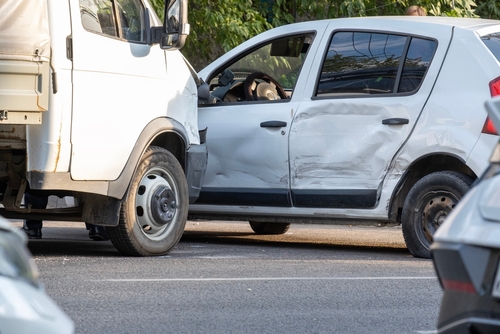
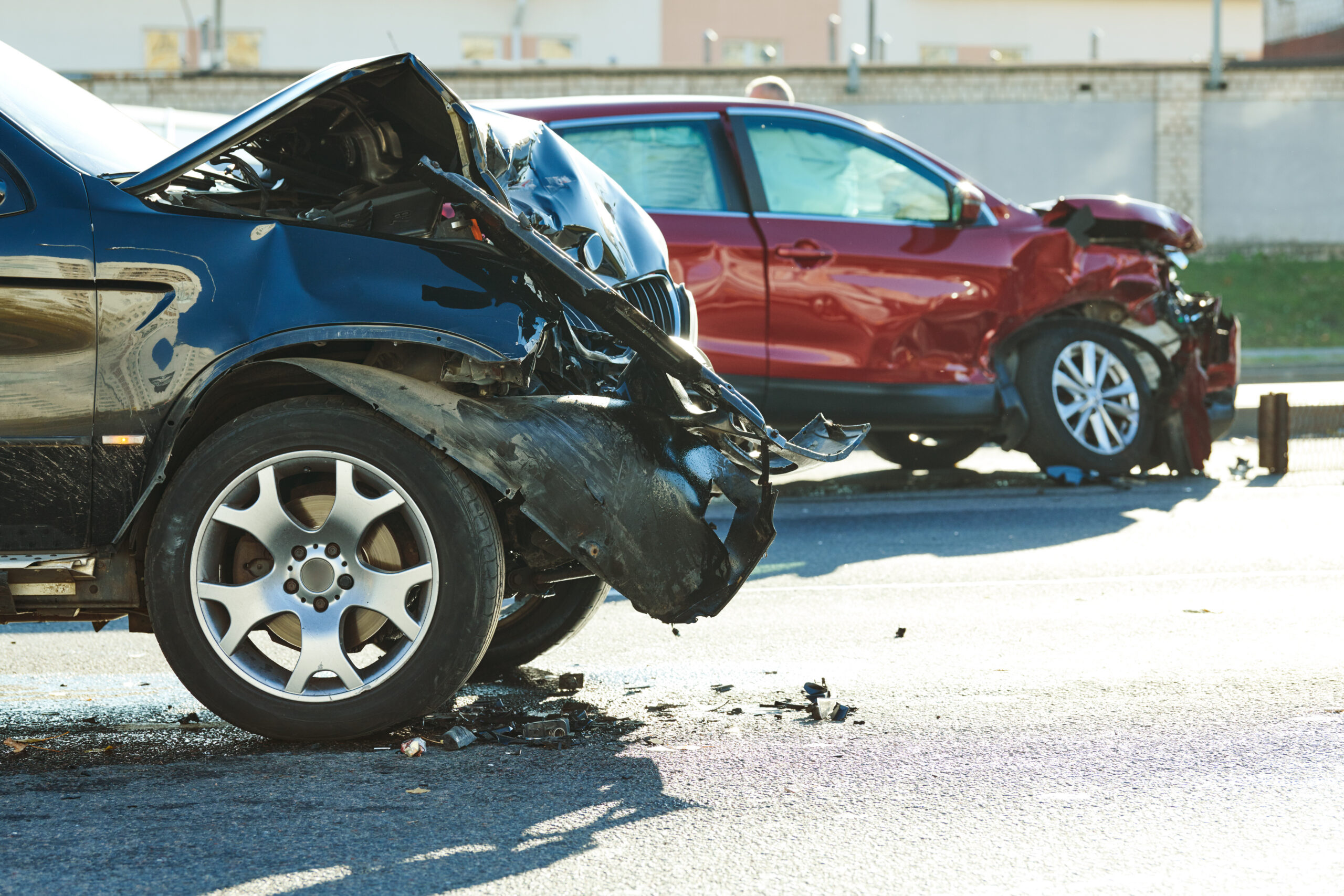
After a semi-truck crash on I-80/94, including the Borman Expressway, your first priorities are getting medical care, reporting the collision, and preserving scene and vehicle evidence. Beyond that, it's important to seek an early investigation into the crash, since commercial trucking records can change, be overwritten, or disappear entirely if they aren't preserved quickly.
At Schafer & Schafer, we help Northwest Indiana truck accident victims and their families move quickly to secure the evidence these cases depend on. If you were injured in a semi-truck accident on I-80/94, call (219) 947-1911 to talk with our team.
Why a Borman Expressway Truck Crash Can Become a Complex Claim
The Borman Expressway and the broader I-80/94 corridor carry dense mixed traffic, frequent lane changes and merging, ongoing work zones, and a heavy volume of interstate freight traffic. Combined with a commercial truck's significantly longer stopping distance compared to a passenger vehicle, these conditions can contribute to multi-vehicle crash sequences that are more complicated to untangle than a typical two-car collision. This complexity is part of why truck accident claims often require deeper investigation than an ordinary crash.
Preserve Commercial-Truck Evidence Before It Changes or Disappears
Commercial trucking crashes generate a range of evidence that isn't present in a typical passenger vehicle accident, and much of it needs to be preserved quickly, including electronic logging device data, dash or inward-facing camera footage, engine control module (ECM) data, dispatch records, the driver's qualification file, inspection and maintenance records, bills of lading and cargo records, cell phone data if distraction is suspected, and any post-crash drug or alcohol testing results.
Driver Hours and Fatigue Records
A driver's hours-of-service records, tracked through electronic logging devices (ELDs), along with dispatch timing records and fuel or toll receipts, can help establish whether the driver was operating within federal hours-of-service limits at the time of the crash. It's important to check these records against the driver's actual operation, since logged hours don't always tell the full story on their own.
Maintenance and Inspection Evidence
Pre-trip and post-trip inspection records, repair history, and specific maintenance records connected to tires, brakes, and lights can reveal whether the truck was properly maintained leading up to the crash. The motor carrier's overall maintenance records can also show whether a pattern of deferred maintenance may have contributed to a mechanical failure.
Cargo Loading and Securement Evidence
If shifting, overweight, or improperly secured cargo contributed to the crash, this evidence may implicate the shipper, the loader, the carrier, or another party, depending on who actually had control over the loading and securement process. Establishing which party bears responsibility requires connecting the specific loading practices to the facts of how the crash occurred.
Look Beyond the Truck Driver When Identifying Responsible Parties
While the truck driver's own conduct is often central to a truck accident investigation, other parties may share responsibility depending on the specific facts:
- The motor carrier: the company operating the truck may be liable for the driver's conduct under employer and motor-carrier responsibility rules, or for its own hiring, training, and supervision practices.
- The driver's employer, if different from the carrier: in some arrangements, the driver is employed by a separate company from the one that owns or operates the truck.
- The truck's owner: if the vehicle is leased or owned separately from the carrier operating it, the owner may bear independent responsibility.
- A freight broker: a broker that arranged the shipment may share liability depending on their level of involvement in selecting or overseeing the carrier.
- A shipper: the company that packaged or prepared the cargo for transport may be responsible if improper loading contributed to the crash.
- A maintenance contractor: an outside company responsible for servicing the truck may bear liability if negligent repair or inspection work contributed to a mechanical failure.
- A cargo loader: a separate company responsible for loading and securing the cargo may be liable if a shift in the load contributed to the crash.
- A product manufacturer: if a defective truck component, such as brakes or tires, contributed to the crash, a product liability claim may apply.
Identifying every potentially responsible party requires a careful review of the specific facts connecting each party to the crash.
Indiana Comparative Fault Can Shape Recovery
When multiple drivers contributed to a crash on I-80/94, Indiana's comparative fault framework can shape how responsibility, and ultimately compensation, gets allocated among the parties involved. Because the specific thresholds and how they apply can depend on which defendants are involved and the facts of the crash, this is an area that requires individualized legal review rather than a general assumption about how fault will be divided.
Document Serious Injuries and Future Needs Early
Truck accidents often cause serious injuries given the size and weight differential between a commercial truck and a passenger vehicle. Document emergency treatment, specialist care, lost wages, rehabilitation, any resulting disability, anticipated future care needs, and the impact of the injury on your family as early and thoroughly as possible.
A complete record of these losses helps ensure nothing gets overlooked as your case develops.
Be Careful With Fast Insurer Contact After a Commercial Crash
Commercial trucking insurers often move quickly after a crash, sometimes reaching out for a recorded statement or a broad medical authorization before you've had a chance to speak with an attorney.
Be factual in any communication with an insurer, avoid signing a broad authorization or release before understanding your rights, and consider having your personal injury attorney with Schafer & Schafer send a formal evidence preservation request to the trucking company as early as possible.
Do Not Rely on the Police Report Alone
A police report is an important starting point, but it doesn't always capture the full picture of what happened, particularly in a commercial trucking crash. Crash reconstruction, witness statements, video footage, vehicle inspections, commercial trucking records, and roadway evidence can all add important facts that weren't captured in the initial report, especially when it comes to the driver's hours-of-service compliance or the truck's maintenance history.
Ask Schafer & Schafer to Investigate the Borman Expressway Crash
Truck accident cases move fast, and the evidence that proves what actually happened, electronic logs, dashcam footage, maintenance records, can disappear just as quickly if it isn't preserved right away.
The attorneys at Schafer & Schafer have over 100 years of combined experience fighting insurance companies and trucking companies to get clients the compensation they deserve for medical costs, lost wages, pain and suffering, permanent impairment, and other expenses. Because of our extensive knowledge across many areas of personal injury, we have the record and the resources to serve our clients' best interests, not the interests of the trucking company or its insurer.
As a family-owned and family-run law firm based in Northwest Indiana, we know this corridor and the kinds of crashes it produces, and we move quickly to preserve the commercial records these cases depend on. Whether your case involves a broader personal injury claim, a catastrophic injury, or a tragic wrongful death, our team is ready to help.
Contact Schafer & Schafer at (219) 947-1911 today to have our team investigate your Borman Expressway crash.
Frequently Asked Questions
How soon should trucking-company records be preserved?
As soon as possible after the crash. Retention periods for commercial trucking records vary, and some electronic data, including certain logging and camera footage, can be automatically overwritten within a matter of days or weeks if a formal preservation request isn't sent promptly.
Can the trucking company be liable for a driver's crash?
Potentially, yes, depending on the specific employment relationship, the motor carrier's own responsibilities, and facts connected to hiring, training, supervision, or maintenance practices. This requires a review of the specific relationship between the driver and the carrier, along with any other parties involved.
What if several vehicles were involved on I-80/94?
When multiple vehicles are involved, crash reconstruction can help identify each driver's specific contributing actions, and Indiana's comparative fault rules can affect how responsibility, and compensation, is allocated among each party's claim. This kind of multi-vehicle analysis often requires more detailed investigation than a standard two-car crash.