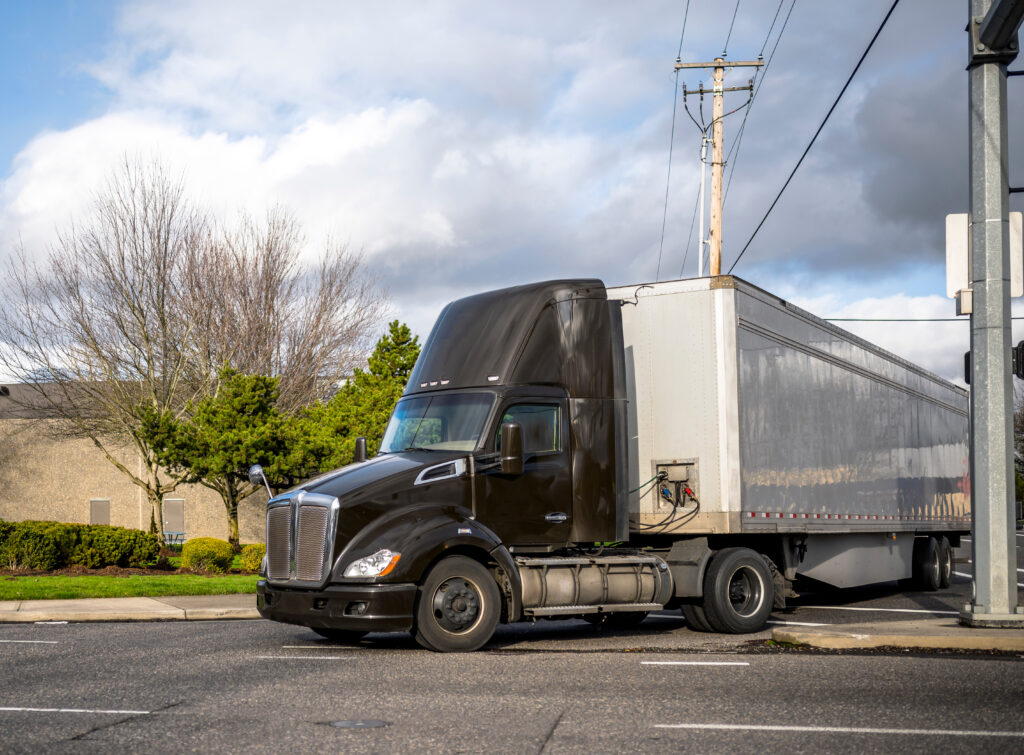
Truck accidents involving blind spots and wide turns are more common than many drivers realize. Commercial trucks have large blind zones on all sides, and when drivers make wide turns, the risk to surrounding motorists, pedestrians, and cyclists increases significantly. Victims of these accidents can sustain severe or even fatal injuries.
Schafer & Schafer has extensive experience representing clients in Northwest Indiana who have been harmed in these incidents. Our truck accident attorneys combine a deep understanding of trucking safety regulations, accident reconstruction, and Indiana law to help victims pursue the compensation they deserve.
If you or a loved one has been injured in a blind spot or wide turn truck accident, it is crucial to understand the risks, legal responsibilities, and available remedies. Trucking companies and drivers have strict federal and state obligations designed to prevent these types of crashes. When these rules are ignored or violated, victims can take legal action with the help of an experienced attorney. Schafer & Schafer ensures families know their rights and can navigate the claims process with confidence.
What are Truck Blind Spots?
Truck blind spots, often called “no-zones,” are areas around a commercial vehicle where the driver’s visibility is severely limited. These include:
- Directly behind the a large truck or commercial vehicle
- Immediately in front of the cab
- Along the sides, especially the right side of a tractor trailer
- Directly next to the rear corners
Because of their size and design, large trucks cannot see smaller vehicles, bicycles, or pedestrians in these areas. Even a driver who is attentive may not notice someone in a blind spot. Drivers should use mirrors, cameras, and spotters to mitigate these risks, but failure to do so is a common factor in accidents.
How Wide Turn Accidents Happen
Wide turn truck accidents occur when a driver swings the rear of a truck into an adjacent lane while turning. These accidents often involve:
- Right turns where the trailer encroaches into another lane
- Left turns in urban areas with tight corners
- Delivery vehicles navigating parking lots or industrial sites
Victims are often unaware of the truck’s path until it is too late. Truck drivers must follow FMCSA rules for turning maneuvers and account for trailer overhang. When these regulations are ignored, collisions with nearby vehicles or pedestrians can cause serious injuries.
Why Blind Spot Collisions Are So Dangerous
Blind spot and wide turn collisions are particularly hazardous due to the combination of size, speed, and restricted visibility. The impact can result in:
- Crushing injuries
- Head trauma
- Broken bones
- Internal injuries
- Fatal outcomes
Even low-speed collisions involving the trailer’s rear or sides can trap or pin victims, increasing the likelihood of catastrophic injuries. Emergency response can be complicated by the truck’s weight and the need to safely extract victims from tight spaces.
Common Injuries from Blind Spot & Wide Turn Crashes
Victims often experience serious and life-altering injuries, including:
- Traumatic brain injuries (TBI)
- Spinal cord injuries
- Multiple fractures or limb amputations
- Internal organ damage
- Psychological trauma and PTSD
Schafer & Schafer emphasizes the importance of immediate medical attention and thorough documentation. Medical records are critical for proving damages in these types of claims.
Who Is Liable in a Blind Spot or Wide Turn Truck Accident?
Liability can extend beyond the driver. Potentially responsible parties include:
- The truck driver for unsafe operation or negligence
- The trucking company for unsafe policies, inadequate training, or pressure to meet unrealistic schedules
- Vehicle maintenance providers if mechanical failures contributed to the crash
- Property owners or contractors who failed to maintain safe turning areas
- The manufacturer for defects in the truck
Identifying all liable parties is essential to securing fair compensation. Schafer & Schafer investigates every aspect of a crash to ensure that victims have the best chance of recovery.
How Trucking Companies Try to Deny Responsibility
Trucking companies often attempt to minimize their liability through:
- Shifting blame to the driver alone
- Questioning victim behavior or contributory negligence
- Delaying or denying claims while gathering selective evidence
Experienced attorneys know how to counter these tactics. Schafer & Schafer works to preserve critical evidence, gather expert testimony, and challenge improper claims handling to protect clients’ rights.
Federal Trucking Regulations & Blind Spots
The Federal Motor Carrier Safety Administration (FMCSA) sets rules for commercial trucks, including:
- Requirements for mirrors and visibility devices
- Guidelines for safe turning and lane changes
- Hours-of-service limits to prevent fatigue
Violations of these standards can support a negligence claim against both drivers and trucking companies. Schafer & Schafer evaluates compliance with FMCSA regulations in every case.
Understanding FMCSA Wide Turn Requirements
FMCSA guidelines require drivers to account for trailer overhang and blind zones during turns. Trucks must complete turns without encroaching on adjacent lanes whenever possible. Failure to comply can result in:
- Increased liability for accidents
- Citations for the driver and company
- Stronger claims for victims seeking compensation
Truck Driver Negligence in Blind Spot Cases
Driver negligence often contributes directly to accidents. Common examples include:
- Failing to check mirrors properly before turning
- Speeding during a turn
- Ignoring spotters or audible alarms
- Fatigue, distraction, or impairment
Proving driver negligence is a critical step in holding both the driver and employer accountable.
Indiana Laws That Affect Truck Accident Claims
Indiana law governs comparative fault, statute of limitations, and liability in commercial vehicle accidents. Key points include:
- Victims must file within two years of the crash for personal injury claims
- Comparative fault may reduce damages if the victim is partially at fault
- Trucking companies may face vicarious liability for employee actions
Understanding these laws is vital for seeking compensation for your injuries.
What to Do After a Wide Turn Truck Accident
Victims should take immediate steps to protect their case:
- Call 911 and seek medical care
- Keep a copy of all medical records for your attorney
- Document the scene with photos and notes
- Obtain witness contact information
- Preserve clothing, vehicle parts, or debris relevant to the crash
- Notify your insurance company without providing a recorded statement until consulting an attorney
Do I Have a Case Against the Trucking Company?
If the driver’s employer contributed to unsafe conditions, victims may have a claim against the company. Indicators include:
- Pressure to meet tight schedules
- Inadequate training or supervision
- Known safety violations
- Equipment maintenance failures
Schafer & Schafer reviews employment records, driver logs, and safety audits to identify corporate liability.
How Much Compensation Can I Recover?
Victims of truck accidents may be entitled to recover a wide range of damages, reflecting both immediate and long-term impacts of the crash. These damages often include:
- Medical expenses and ongoing care, covering hospital bills, surgeries, medication, physical therapy, and future treatments related to the accident.
- Lost income and reduced earning potential, including wages missed during recovery and the long-term financial impact if injuries affect the ability to work.
- Pain, suffering, and emotional distress, which account for the physical pain, trauma, and changes to quality of life resulting from the accident.
- Property damage, such as repairs or replacement for vehicles and personal belongings damaged in the crash.
- Rehabilitation or home modification costs, including occupational therapy, adaptive equipment, or home accessibility modifications needed after severe injuries.
An experienced truck accident attorney helps calculate the full scope of losses, ensuring that both tangible and intangible damages are considered. At Schafer & Schafer, we work to secure compensation by documenting all costs, coordinating with medical and financial experts, and negotiating with insurance companies and trucking firms to reflect the true impact of the accident on your life.
Gathering Evidence to Prove Fault
Critical evidence in blind spot and wide turn truck accidents is essential for proving liability and ensuring victims can recover the compensation they deserve. Because these cases often involve multiple parties and complex circumstances, gathering and preserving the right evidence is crucial.
Key pieces of evidence include:
- Surveillance or dash camera footage: Video can capture the truck’s movements, the timing of the turn, and the presence of other vehicles or pedestrians, providing an objective account of the accident.
- Accident reconstruction reports: Experts analyze vehicle positions, skid marks, and impact angles to determine how the crash occurred, helping establish whether the truck driver or company acted negligently.
- Witness statements: Eyewitnesses, including pedestrians, workers, or other drivers, can confirm the driver’s actions, speed, or failure to check mirrors, strengthening the case against the negligent party.
- Truck maintenance and inspection records: These documents show whether the vehicle was properly maintained, identifying mechanical failures or safety violations that may have contributed to the crash.
- Driver logs and FMCSA compliance documentation: Logs reveal hours of service, rest periods, and potential violations, which can indicate fatigue or regulatory noncompliance that led to the accident.
Schafer & Schafer works closely with accident reconstruction specialists, investigators, and regulatory experts to preserve all evidence and analyze it thoroughly. Proper documentation is vital because it can be altered, lost, or overlooked over time. By ensuring every piece of critical evidence is collected and reviewed, the firm helps build a strong case that holds negligent drivers and trucking companies accountable while maximizing compensation for victims.
Why You Need a Truck Accident Lawyer
Truck accident cases can be complicated because they often involve multiple parties, strict federal regulations, and significant financial and personal stakes. Having an experienced attorney on your side ensures that every aspect of the accident is thoroughly examined and that victims receive the guidance they need. An attorney can:
- Investigate the crash thoroughly, gathering evidence from the scene, reviewing driver logs, and consulting with accident reconstruction experts.
- Identify liable parties beyond the driver, including the trucking company, maintenance providers, and other entities responsible for safety.
- Negotiate with insurance companies and trucking firms to pursue fair settlements and avoid lowball offers.
- Represent victims in court if necessary, advocating for full compensation for medical bills, lost income, pain and suffering, and long-term care.
Why Choose Schafer & Schafer?
Schafer & Schafer has built a strong reputation in Northwest Indiana for successfully handling complex truck accident claims. With decades of experience, our attorneys understand the unique challenges these cases present, from navigating federal and state trucking regulations to uncovering hidden liabilities that may involve multiple parties. Victims of blind spot and wide turn truck accidents often face life-changing injuries, and our team is committed to providing comprehensive legal support to help them recover both physically and financially.
We carefully investigate every aspect of an accident, including driver logs, maintenance records, and corporate policies, to identify all responsible parties. Our attorneys also collaborate with accident reconstruction specialists, medical professionals, and other experts to build a strong, evidence-backed case.
Our approach is client-focused, ensuring that each case receives a personalized strategy tailored to the individual circumstances. We are prepared to negotiate aggressively with insurance companies and trucking firms to secure fair settlements, and we are ready to take cases to trial if necessary to protect our clients’ rights. Schafer & Schafer attorneys guide clients through every step of the legal process, explaining complex procedures in clear terms and offering compassionate support throughout.
Our team provides:
- Personalized case assessment and strategy, considering the unique facts and injuries in each case.
- Collaboration with accident reconstruction experts to accurately determine fault and support claims.
- Full support throughout the claims and litigation process, including negotiating with insurers and representing clients in court.
- Aggressive advocacy against trucking companies, commercial drivers, and insurance firms to ensure full compensation
With Schafer & Schafer, victims are never left to navigate complex truck accident claims alone. We are dedicated to protecting your rights, holding negligent parties accountable, and helping you rebuild your life after a serious truck accident.
Contact Our Northwest Indiana Truck Accident Attorneys
If you or a loved one has been injured in a blind spot or wide turn truck accident, contact us today at (219) 947-1911 for your free, confidential consultation. We provide experienced, compassionate legal guidance and will fight to hold negligent drivers and trucking companies accountable.