Losing someone in a truck accident is not something anyone is prepared for. One moment your family is intact, and then it is not. When a commercial truck driver makes a mistake, a trucking company cuts corners, or a preventable failure ends your loved one’s life on an Indiana highway, your family needs answers. If you are reading this in the days or weeks after that kind of loss, you are probably still trying to process what happened and starting to wonder whether a wrongful death lawsuit can do anything for your family.
This post exists to answer that question honestly and plainly, without legal jargon and without pressure. Schafer & Schafer has represented Indiana families in fatal truck accident cases for generations, and we know what you are going through. Call us at (219) 947-1911 whenever you are ready.
First, We're Sorry. Here's Why This Post Exists.
Grief and legal questions do not keep separate schedules. Families dealing with a fatal truck crash often find themselves searching for information late at night. Not because they are ready to hire a lawyer, but because they need to understand what happened and whether anything can be done about it.
This post is for those families. It explains what a wrongful death claim is, whether it applies to your situation, who can file it, what your family could recover, and how much time you have. It is not a sales pitch. It is the information you deserve to have so you can make decisions that are right for your family, on your own timeline.
Why Truck Accident Deaths Are Different From Other Fatal Crashes
Not all fatal crashes are legally or practically equivalent. A collision involving a semi-truck is a fundamentally different event from a passenger car accident, and the differences determine how your legal claim is built and what your family can recover.
The Size and Weight Factor: Why Semi-Truck Collisions Are So Deadly
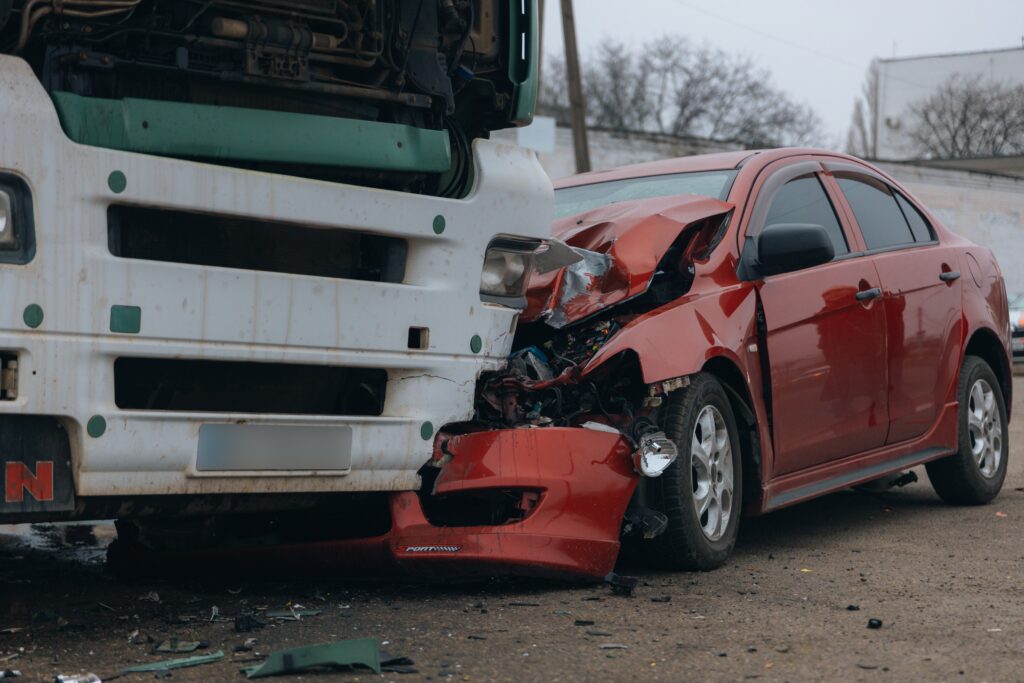
A fully loaded commercial tractor-trailer can weigh up to 80,000 pounds. A typical passenger vehicle weighs roughly 4,000 pounds. When those two vehicles collide, the physics are devastating and largely non-survivable for the occupants of the smaller vehicle, particularly in head-on, broadside, and underride accidents where a car slides beneath the trailer. These crashes generate forces that overwhelm every safety system a passenger vehicle has, and the resulting injuries frequently include traumatic brain injuries, spinal cord injuries, catastrophic injuries that are unsurvivable in many cases.
Multiple Parties Can Be Responsible, Not Just the Driver
One of the most important differences between a fatal truck crash and a fatal car crash is the number of potentially liable parties. In a car accident, fault typically rests with one or more individual drivers. In a truck crash, responsibility can extend to the trucking company that employed the driver, the cargo company that loaded the trailer, the maintenance contractor that serviced the vehicle, and the manufacturer of any defective component that contributed to the crash.
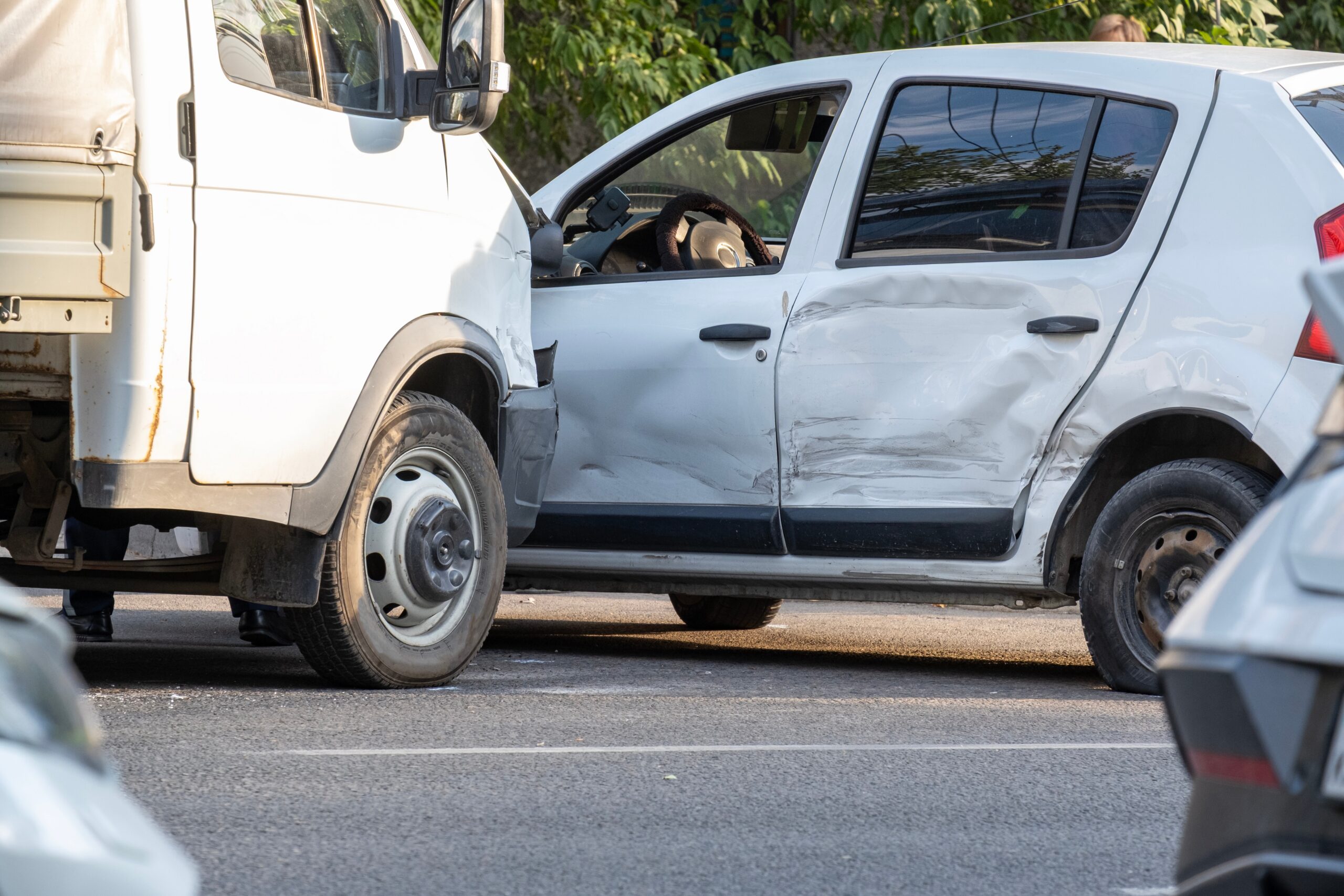
Blind spot and wide turn accidents, backing accidents, and crashes involving delivery trucks each involve their own liability and insurance policies. Identifying and pursuing every responsible party is what separates an adequate recovery from a full one, and it requires an attorney who knows the trucking industry's legal obligations inside and out.
What Is a Wrongful Death Claim, and Does It Apply to Your Family?
Losing a loved one in a truck accident is devastating, and while no amount of money can replace them, Indiana provides a way for families to seek justice and stability after such a loss. Understanding what qualifies as a wrongful death claim, and how Indiana law applies to your loved one’s accident can help you take the first step toward holding the responsible parties accountable.
The Legal Definition of Wrongful Death in Indiana in Plain English
A wrongful death claim is a civil lawsuit brought on behalf of a person who died as the result of someone else's negligence, recklessness, or wrongful conduct. It is entirely separate from any criminal investigation or prosecution that may follow the crash.
The criminal process, if there is one, is the state's case against the driver or company. The wrongful death claim is your family's case, which allows you an opportunity to seek damages on behalf of your loved one.
Indiana's wrongful death statute allows the personal representative of the deceased's estate to bring a claim on behalf of the surviving family members. You do not need to have all the answers before filing. You do not need to know who was at fault. But what you do need is an attorney who can investigate, identify the responsible parties, and build the case on your behalf while you focus on your family.
How a Fatal Truck Accident Becomes a Wrongful Death Case
If the evidence shows that negligence contributed to your loved one's death, you may be able to file a wrongful death lawsuit. In truck accident cases, negligence can take many forms, such as a driver who exceeded federal hours-of-service limits and was dangerously fatigued, a trucking company that ignored required vehicle inspections, a cargo loader who improperly secured a load that shifted and caused the driver to lose control, or a manufacturer whose defective brake system failed at highway speed.
You do not need to know which of these factors caused the crash before you contact an attorney. By reaching out to Schafer & Schafer, we can help to determine who can be held responsible for the fatal accident.
Who Has the Right to File a Wrongful Death Claim in Indiana?
Indiana law specifies who has the right to recover damages after a wrongful death. For an adult victim, the claim must be filed by the personal representative of the deceased person’s estate. This is usually a spouse, adult child, or parents of the deceased.
The right to recovery damages generally follows this order of priority:
- The surviving spouse and any dependent children are the primary beneficiaries.
- If there is no surviving spouse or child, dependent next of kin may recover.
- The estate itself can recover certain costs—such as medical bills, funeral expenses, and other final expenses—in every case.
When the deceased is a child, a separate Indiana statute applies. In those cases, the parents are the primary parties who may file the wrongful death claim.
What Happens When There Is No Surviving Spouse or Children
When the deceased had no spouse or dependent children, the wrongful death claim is still available to dependent next of kin, which can include parents, siblings, or others who relied on the deceased for financial or emotional support.
The damages available in these cases differ from those in cases involving a surviving spouse and children, and the analysis of who qualifies and what they can recover requires a careful review of the specific family circumstances. Schafer & Schafer can handle this evaluation as part of the initial case review.
What Can Your Family Actually Recover?
After a wrongful death, one of the most common questions families ask is what compensation the law actually allows. While no financial recovery can undo such a loss, Indiana law recognizes both the economic and emotional impact that a death leaves behind and provides specific ways for families to recover for both.
Economic Damages: The Financial Reality of Losing a Provider
The financial losses that follow a fatal truck accident are immediate and often overwhelming. Indiana's wrongful death statute allows recovery for the measurable economic losses the death has caused, including:
- Medical expenses incurred between the injury and the death.
- Funeral and burial costs.
- The income the deceased would have earned over their expected remaining working life.
- The value of benefits, including pension and retirement contributions, the deceased would have received.
- The value of household services and support the deceased provided to the family.
For families who depended on the deceased as their primary financial provider, these economic damages can represent decades of lost income and support. Calculating them accurately requires economic analysis and expert testimony, both of which Schafer & Schafer brings to every fatal truck accident case we handle.
Non-Economic Damages: What the Law Says About Grief, Loss, and Companionship
Indiana wrongful death law also allows recovery for non-economic losses, which address the human cost of the death rather than the financial one. These include:
- The grief, sorrow, and mental anguish of the surviving spouse and dependent children.
- Loss of companionship and the guidance the deceased provided in the lives of their children.
- Loss of consortium for the surviving spouse.
- The loss of parental guidance for minor children who will grow up without their parent.
These damages do not have a receipt attached to them, but they are real, they are recognized by Indiana courts, and they can represent a significant portion of the total recovery in a wrongful death case.
The Evidence That Matters Most in Fatal Truck Accident Cases
In fatal truck accident cases, evidence is everything. What gets collected and how quickly it’s assessed can determine the strength of your family’s claim. Understanding which types of evidence matter most, and why timing is critical, can help you see why immediate legal action makes such a difference.
Why Trucking Companies Move Fast After a Crash and Why You Need to Move Faster
Within hours of a fatal truck accident, the trucking company's insurers and attorneys are often already at work. Their goal is to control the narrative, limit the company's exposure, and preserve only the evidence that serves their interests. They know what data exists, they know how to obtain it, and they know how long before certain records are overwritten or destroyed.
Federal trucking regulations require carriers to retain certain records for defined periods, but those periods are not indefinite. Electronic logging device data, GPS records, dashcam footage, and maintenance logs can disappear quickly if not preserved through formal legal demand. A spoliation letter, which is a formal notice requiring the trucking company to preserve all relevant evidence, must go out immediately. Every day of delay increases the risk that critical evidence is lost.
Black Boxes, Driver Logs, and Maintenance Records: What Your Attorney Will Demand
Modern commercial trucks are equipped with electronic control modules, commonly called black boxes, that record vehicle speed, braking events, throttle position, and other data in the moments before a crash. This data can establish exactly what the driver did and did not do before the collision and is often the most powerful evidence available in a fatal truck crash case.
Driver logs, now largely electronic through mandated ELD systems, document how many hours the driver had been on the road and whether they were in compliance with federal hours-of-service regulations. Fatigued driving is one of the most common causes of fatal truck crashes, and violations of hours-of-service rules are direct evidence of negligence.
Maintenance records reveal whether the truck was properly inspected and serviced, whether known defects were reported and repaired, and whether the company's safety culture met the standards federal regulations require. Taken together, this evidence forms the factual backbone of a wrongful death case against the driver, the carrier, and any other responsible party.
How Long Does a Family Have to File in Indiana?
Indiana's statute of limitations for wrongful death claims is generally two years from the date of death. Missing this deadline almost always means losing the right to pursue any recovery, regardless of how strong the case is.
Two years may feel like a long time when you are deep in grief, but evidence gets lost quickly. The investigation required to build a fatal truck accident case takes time, and the evidence most critical to your claim begins disappearing immediately after the crash. Families who wait until the deadline to file is close often find that the best evidence is gone and the strongest arguments are no longer available.
If you are not ready to take formal legal action, you can still call Schafer & Schafer for a free consultation. Talking to us does not commit you to anything. It ensures you understand your options and your timeline before a decision is made for you by the passage of time. Call (219) 947-1911 today.
Frequently Asked Questions From Families After a Fatal Truck Crash
Who can file a wrongful death claim after a fatal truck accident in Indiana?
The claim is filed by the personal representative of the deceased's estate on behalf of the surviving spouse, dependent children, or dependent next of kin. If no personal representative has been appointed, that step can be taken as part of initiating the claim. An attorney handles this process for the family.
How long does a wrongful death case take in Indiana?
Timelines vary significantly depending on the complexity of the case, the number of defendants, and whether the matter resolves through settlement or proceeds to trial. Many cases settle within one to two years of filing. Cases that go to trial take longer. Schafer & Schafer will give you an honest assessment of the likely timeline in your specific situation.
What if the truck driver was not criminally charged?
Criminal charges are not required for a wrongful death claim. The civil and criminal systems operate under different standards of proof. Even when a driver is not criminally prosecuted, the evidence from the crash investigation can support a successful civil wrongful death claim.
What if my family has already spoken with the trucking company's insurance adjuster?
Contact an attorney before providing any further information or accepting any offer. Insurance adjusters represent the company, not your family. Early settlement offers frequently undervalue the claim significantly, and accepting one closes off your right to pursue full compensation later.
Does it cost anything to consult with Schafer & Schafer?
No. The initial consultation is completely free. Schafer & Schafer handles wrongful death cases on a contingency fee basis, meaning there is no cost to your family unless we recover compensation for you.
Schafer & Schafer Have Fought and Won for Families Like Yours
Schafer & Schafer has represented Indiana families in fatal truck accidents and wrongful death cases for generations. Our case results include significant verdicts for truck accident victims including:
- $6 million for a mother killed in a semi-truck accident.
- $5 million payout for a policy limit settlement for the wrongful death of a mother and a head injury to her child in a truck accident.
- $4 million for a young woman fatally injured by a tractor trailer.
- $3.1 million for a husband killed in a semi-truck accident.
This truly reflects what is possible when a committed legal team brings over 100 years of combined experience on behalf of a grieving family.
We are a family firm rooted in Northwest Indiana. We take these cases personally because the families who come to us are part of our community, and because we understand that no legal outcome can replace what was lost. What we can do is make sure the people and companies responsible are held fully accountable and that your family has the financial support the law provides.
Contact us at (219) 947-1911 today to schedule your free, confidential consultation. We collect no fees unless we secure compensation for your family.