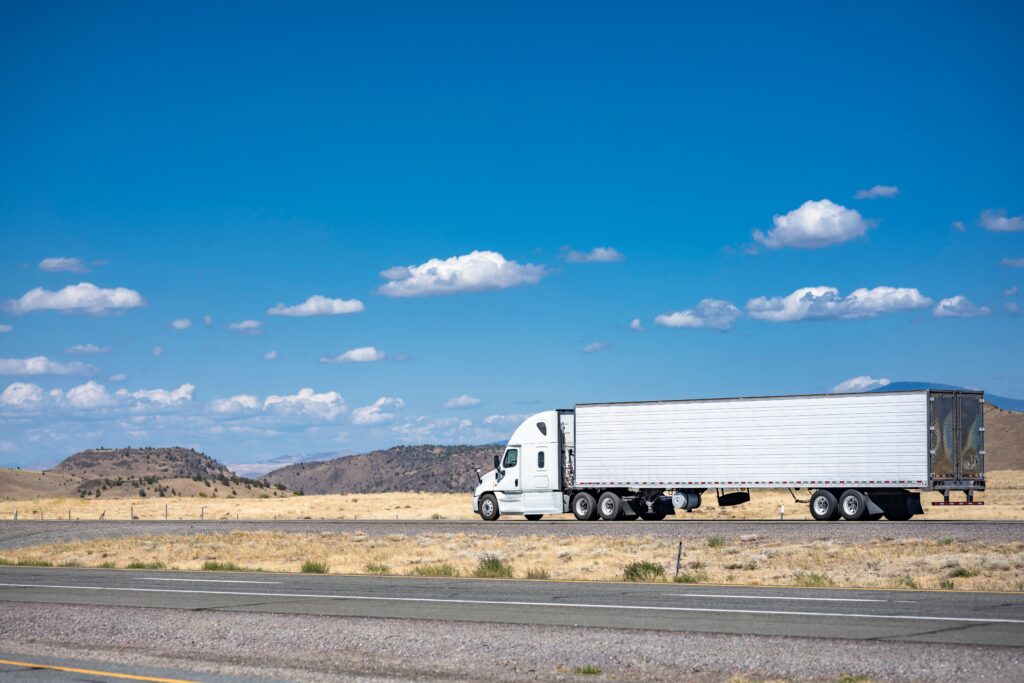
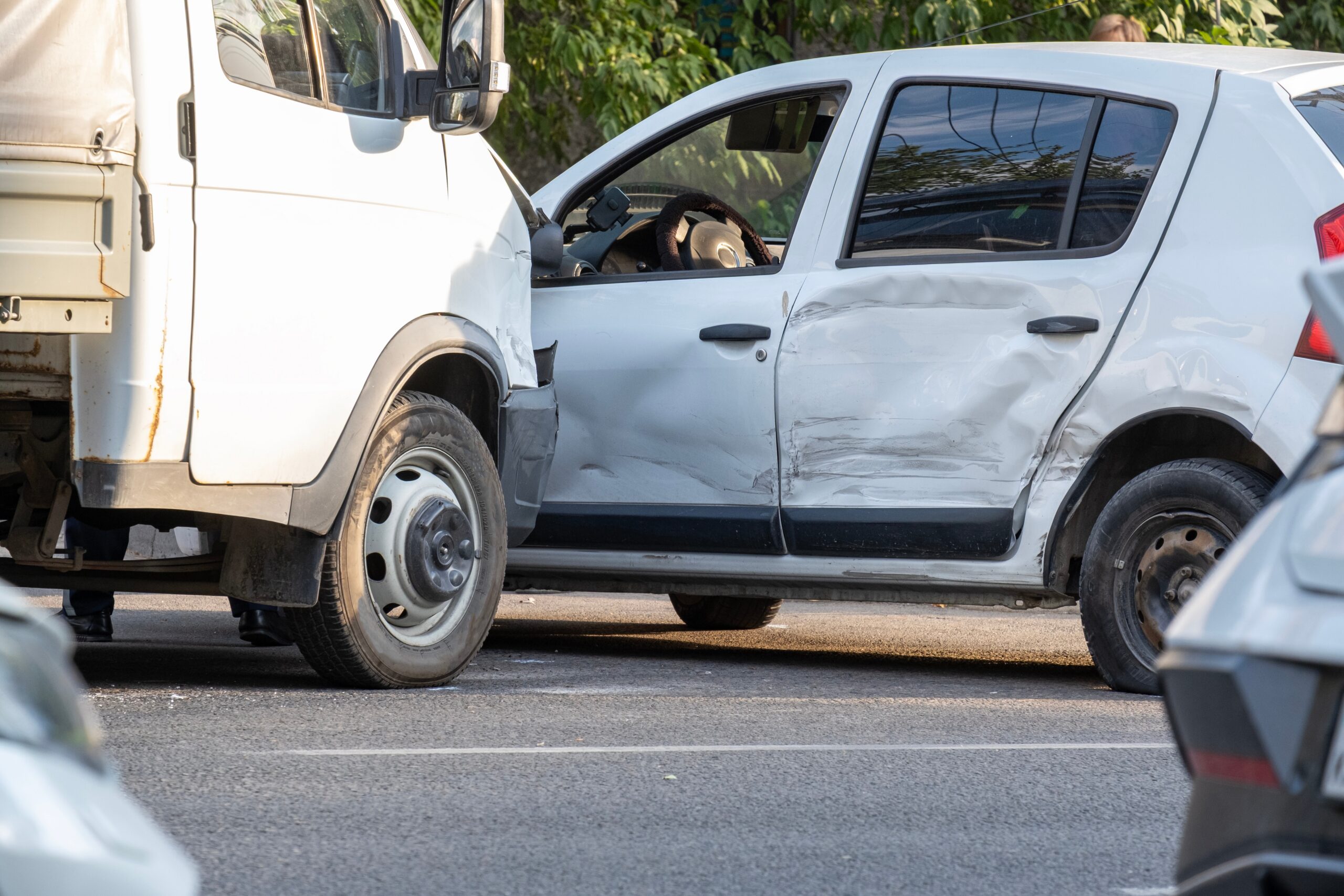
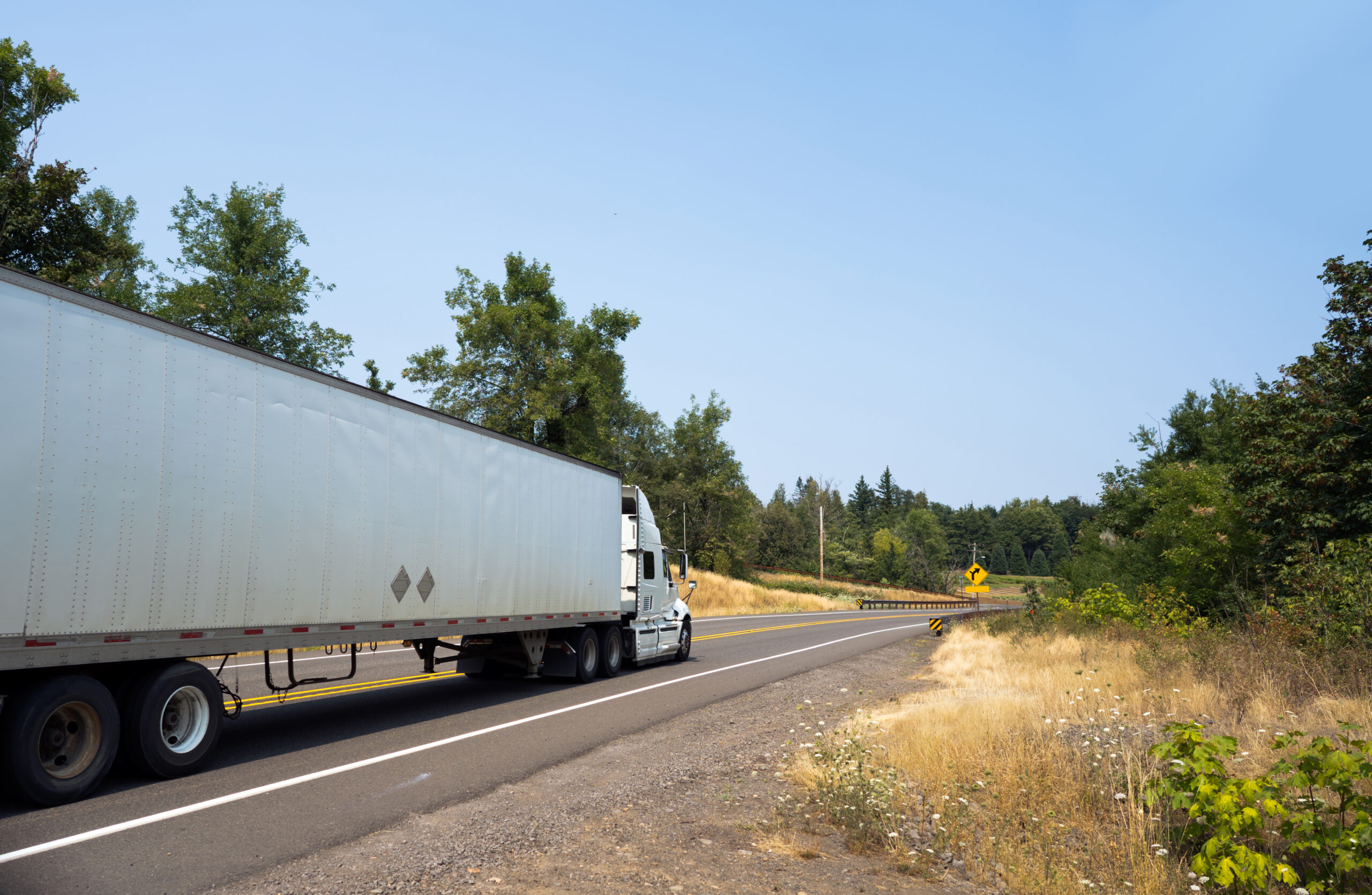
Truck accidents involving commercial trucks can result in catastrophic injuries, long-term medical care, and significant property damage. Due to the size, weight, and potential hazards of these vehicles, accidents often cause more severe consequences than typical car crashes. Many accident victims assume that the truck driver alone is at fault, but in many cases, the trucking company can also be held liable.
Commercial trucks are involved in hundreds of accidents statewide each year, with a notable percentage resulting in serious injuries or fatalities. In these situations, company policies, safety standards, and maintenance practices are often scrutinized to determine whether the accident could have been prevented.
The truck accident attorneys at Schafer & Schafer provide guidance and representation to victims of truck accidents, ensuring that negligent trucking companies are held accountable alongside drivers. The firm investigates every aspect of the accident and builds cases to protect clients’ rights and secure full compensation for their injuries, lost income, and property damage.
What Is Trucking Company Liability?
Trucking company liability arises when an employer of a commercial driver is legally responsible for actions or negligence that contribute to an accident. Liability can be direct, such as when the company fails to maintain vehicles or implement proper safety protocols, or vicarious, when the driver’s negligent actions are considered the company’s responsibility because the driver was performing job duties.
When the Company, Not Just the Driver, Is at Fault
Victims often assume the driver alone is to blame, but trucking companies play a significant role in accident prevention. Company-wide policies, management decisions, and safety practices directly affect driver behavior. Examples include unrealistic delivery schedules for large semi and delivery truck drivers that encourage driving beyond legal limits, inadequate training programs, and neglecting to enforce maintenance and inspection schedules. When these factors contribute to an accident, the company can be held liable for the resulting injuries and damages.
FMCSA Standards and Employer Accountability
The Federal Motor Carrier Safety Administration establishes safety rules that govern commercial trucking in areas such as driver qualifications, hours-of-service limits, vehicle inspections, and maintenance schedules. Trucking companies that ignore or violate these standards can face liability when their negligence leads to accidents. Common violations include:
- Overworking drivers and falsifying hours-of-service logs
- Failing to conduct required pre-trip and post-trip inspections
- Allowing unsafe vehicles to operate on the road
- Providing insufficient training on defensive driving and blind spot awareness
Evidence of FMCSA violations is often critical in proving a company is liable in Indiana truck accident claims. These violations not only show negligence but also demonstrate a failure to prioritize safety.
Common Ways Trucking Companies Can Be Liable
Trucking companies can be held responsible for accidents in a variety of ways, often stemming from systemic issues rather than a single driver’s actions. When companies fail to implement proper safety protocols, push drivers to meet unrealistic delivery schedules, or neglect vehicle maintenance, they create conditions that significantly increase the risk of crashes.
Liability may also arise from inadequate training, hiring drivers with poor safety records, or ignoring hours-of-service regulations that prevent fatigue-related accidents. By identifying these patterns of negligence, victims can pursue claims not only against the driver but also against the company itself, holding all responsible parties accountable for their role in the crash.
Negligent Hiring and Training Practices
Trucking companies have a duty to hire qualified drivers and provide adequate training. Hiring drivers with poor safety records, insufficient experience, or a history of traffic violations increases the risk of crashes. Companies may also fail to provide ongoing training on defensive driving, fatigue management, and compliance with federal regulations, which can contribute to accidents.
Pushing Unrealistic Schedules
Pressure to meet delivery deadlines can lead drivers to exceed legal driving hours or take shortcuts to save time. Fatigued drivers are slower to react, more prone to errors, and at higher risk of causing serious accidents. When a company encourages or enforces unrealistic schedules, it may be held responsible for resulting crashes.
Failing to Maintain Vehicles or Equipment
Mechanical failure is a leading cause of truck accidents. Companies that fail to maintain brakes, tires, lights, steering components, or other critical systems are putting both drivers and the public at risk. Evidence such as missing maintenance logs, prior complaints about vehicle condition, or post-accident inspection reports can establish company liability.
Ignoring Hours-of-Service Regulations
Drivers are limited by law to a certain number of driving hours to prevent fatigue-related accidents. Companies that manipulate logs, ignore violations, or pressure drivers to exceed these limits may be held liable when fatigue leads to a crash. Fatigue-related collisions can be particularly dangerous because they often involve high-speed or multi-vehicle incidents.
Proving a Company’s Role in a Truck Accident
Establishing trucking company liability requires detailed investigation and substantial evidence. Schafer & Schafer works with accident reconstruction experts, investigators, and medical professionals to build strong claims. Important steps include:
Investigating Maintenance and Inspection Records
- Reviewing pre-trip and post-trip inspections
- Examining repair and service records
- Checking for overdue maintenance or safety recalls
Examining Internal Policies and Communications
- Analyzing training manuals, schedules, and delivery expectations
- Reviewing emails, text messages, or dispatch logs
- Investigating prior complaints, warnings, or safety violations
Collecting Witness Testimony
- Interviewing other drivers, pedestrians, or workers present during the accident
- Gathering statements about unsafe practices or company pressures
Strong evidence is critical because trucking companies often have teams of lawyers and insurers who attempt to minimize liability. A careful and thorough investigation can make the difference in securing full compensation for injured victims.
Why This Matters for Your Injury Claim
When a commercial truck is involved in an accident, the legal and financial stakes are often much higher than in a typical car crash. Understanding why trucking company involvement matters can help you see how it impacts the value and ultimate success of your injury claim.
Higher Policy Limits May Be Available
Trucking companies generally carry higher insurance coverage than individual drivers. Establishing company liability often opens access to greater compensation, which is vital for covering medical bills, long-term care, lost income, and property damage.
Multiple Parties Means Complex Litigation
Cases involving both drivers and trucking companies are legally complex. Allocating fault, gathering evidence from multiple sources, and negotiating with insurers requires skill and experience. Victims need attorneys who understand Indiana truck accident law, federal regulations, and courtroom procedures to ensure fair recovery.
What to Do After a Truck Crash in Indiana
Knowing what steps to take immediately after a truck accident can make a major difference in your recovery and the strength of your legal claim. Taking the right actions early helps protect your health, preserve key evidence, and position your case for the best possible outcome.
Get Medical Attention and Preserve Evidence
Immediate medical care is essential for both health and legal purposes. Victims should also collect photos of the scene, vehicle damage, and injuries. Preserve any witness contact information and report the accident to local authorities. This documentation is critical for establishing liability and building a strong claim.
Speak with an Experienced Indiana Truck Accident Lawyer
A knowledgeable truck accident lawyer can identify all negligent parties, determine whether trucking company policies or FMCSA violations contributed to the crash, and develop a strategy for recovery. Schafer & Schafer guides clients through every stage of the process, from investigation to settlement or trial.
How Schafer & Schafer Hold Trucking Companies Accountable
Schafer & Schafer takes a proactive approach to holding trucking companies accountable for their role in accidents. We understand that liability often extends beyond the driver, encompassing company policies, maintenance practices, and compliance with federal and state regulations. Our attorneys thoroughly investigate every aspect of a crash to uncover negligence or violations that may have contributed to the incident.
Our goal is not only to secure compensation for medical expenses, lost wages, property damage, and pain and suffering but also to promote safer practices within the trucking industry. By holding negligent trucking companies accountable, we help prevent future accidents and protect the rights of injured victims throughout Indiana.
Real Case Results and Strategic Litigation
Schafer & Schafer has represented numerous clients in truck accident claims involving driver distraction, fatigue, speeding, maintenance failures, and unsafe company practices. Each case is approached with a customized strategy, supported by thorough investigation, expert analysis, and evidence preservation.
One of our recent settlements involves a brain injury stemming from what was supposedly a “mild” brain injury caused by being struck by a semi-truck.
Dedicated Support from Start to Finish
At Schafer & Schafer, we guide clients through each stage of the legal process with experienced care and a focus on achieving full recovery. Our attorneys are dedicated to:
- Investigating the accident scene and securing critical evidence.
- Reviewing vehicle maintenance records, driver logs, and company communications.
- Collaborating with accident reconstruction specialists and medical experts.
- Handling insurance negotiations to maximize compensation.
- Representing clients in court when settlements are not sufficient.
Compensation may include medical expenses, ongoing care, lost wages, pain and suffering, property damage, and other losses resulting from the crash. Our firm ensures that trucking companies are held accountable for their role in the accident, helping victims recover what they need to rebuild their lives.
Contact us today at (219) 947-1911 to speak with an Indiana truck accident lawyer and receive your free, confidential consultation.