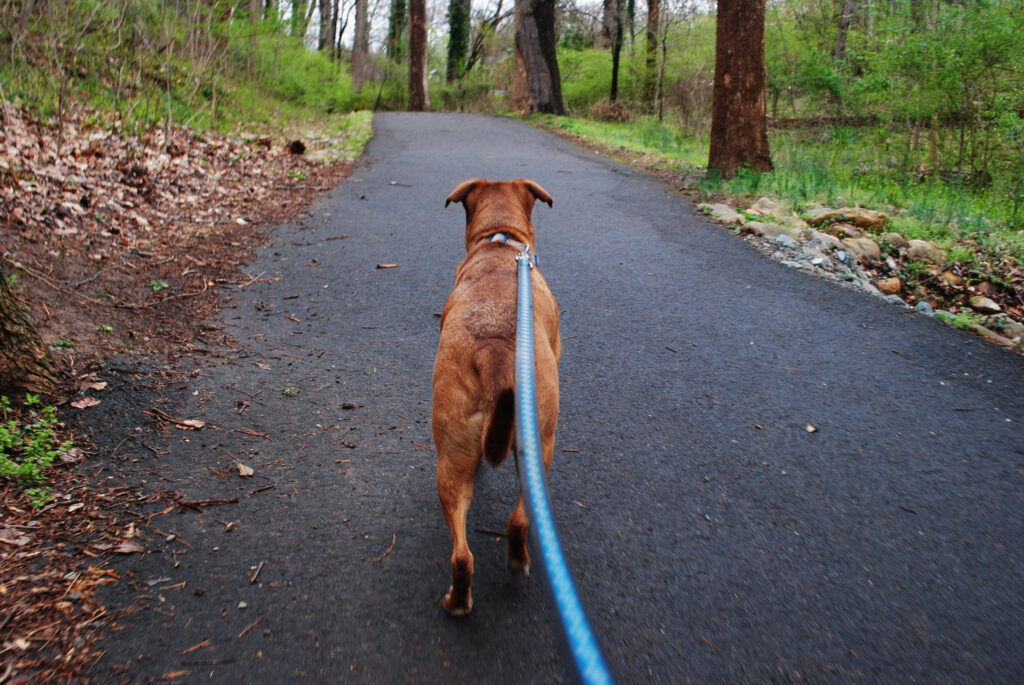
A dog running loose in a park, a neighbor's dog off its leash in the front yard, a "friendly" dog that suddenly isn't, these situations happen more often than most people expect, and when they end in a bite, one detail can make a real difference in your claim: was the dog actually on a leash at the time? Understanding how Indiana's leash laws intersect with dog bite liability can meaningfully shape how strong your case actually is.
Schafer & Schafer’s dog bite lawyers represent dog bite victims throughout Indiana. Dogs may be man's best friend, but when the situation turns violent, you need experienced legal help. Call us today at (219) 947-1911 to discuss your situation.
Indiana Leash Laws: The Basics
Leash laws in Indiana are generally established at the local level, meaning specific requirements can vary by city or county rather than existing as a single statewide statute.
Many Indiana municipalities require dogs to be leashed or otherwise under an owner's direct control when off the owner's own property, particularly in public spaces like parks, sidewalks, and streets.
Because these requirements can differ depending on where the incident occurred, confirming the specific leash ordinance that applied to your situation is an important early step in evaluating a potential claim.
How Indiana Handles Dog Bite Liability
Indiana does not follow a strict liability standard for dog bites the way some states do.
Instead, dog bite claims in Indiana are generally evaluated under a negligence standard, meaning an injured person typically needs to show that the dog owner failed to exercise reasonable care in controlling their animal, and that this failure caused the bite.
Negligence vs. Negligence Per Se
Under ordinary negligence, an injured person must show that the dog owner's conduct fell short of what a reasonably careful owner would have done under the circumstances.
Negligence per se is a related but distinct legal concept, where violating a specific safety law or ordinance, such as a local leash law, can itself serve as evidence of negligence, since the law was specifically designed to prevent the type of harm that occurred.
This means that if a dog owner violated a leash law at the time of the bite, that violation can significantly strengthen an injured person's ability to establish that the owner acted negligently.
How a Leash-Law Violation Strengthens Your Claim
When a dog owner violates an applicable leash law at the time of a bite, this violation can serve as compelling evidence that the owner failed to exercise reasonable control over their animal.
Rather than requiring an injured person to prove, from scratch, that the owner should have restrained the dog, a documented leash law violation provides a clear, objective standard the owner failed to meet. This can make a significant difference in how a claim is evaluated, both by an insurance company during negotiations and by a court if the case proceeds to litigation.
When Leash Laws May Not Decide Your Case
A leash-law violation is not automatically the entire case. In some situations, a dog may have been on the owner's own property, where leash laws often do not apply, or the specific municipality involved may not have a leash ordinance covering the location where the bite occurred.
In these situations, a claim generally still proceeds under ordinary negligence principles, requiring a broader look at the specific circumstances, including the dog's history, how the owner was supervising the animal, and what a reasonably careful owner would have done in that same situation.
Proving an Indiana Dog Bite Claim
Building a strong dog bite claim in Indiana generally requires establishing that the dog owner had a duty to control their animal, that they breached that duty through negligent conduct, whether through a leash law violation or another failure to exercise reasonable care, and that this breach directly caused your injury.
Evidence to Gather After a Dog Bite
Helpful evidence includes:
- Photographs of your injuries and the location where the bite occurred: Take pictures as soon as possible after the attack, and continue documenting your injuries as they heal, since the progression can also be relevant to your claim
- Information about whether a leash law applied to that specific location: Note exactly where the bite happened, whether it was public property, a sidewalk, a park, or the owner's private property, since this detail often determines whether a leash ordinance even applies
- Witness statements from anyone who saw the attack: Independent accounts of what happened, including whether the dog appeared to be leashed or under the owner's control, can carry significant weight in establishing negligence
- Animal control or police reports filed after the incident: These reports often include an official record of the location, circumstances, and any statements made by the owner at the time
- Evidence of the dog's prior behavior or history: Previous complaints, prior bite incidents, or any documented aggressive behavior can help establish that the owner knew or should have known their dog posed a risk
Gathering this evidence as early as possible strengthens your claim, since details like the dog's exact location relative to a property line or leash ordinance boundary can become harder to establish the more time passes.
What to Do Right After a Dog Bite
If you have been bitten by a dog, taking the right steps can help protect both your health and your ability to pursue compensation:
- Seek medical attention immediately, even if the injury seems minor at first
- Get the contact information of the dog's owner if possible
- Take photographs of your injuries and the location where the attack occurred, noting whether the dog appeared to be leashed or under control
- Report the incident to local animal control or law enforcement
- Get contact information from any witnesses to the attack
- Call Schafer & Schafer at (219) 947-1911 before speaking with the owner's insurance company
Damages You May Recover
Victims of dog attacks may be entitled to recover compensation for damages including medical expenses, both current and future, lost wages and diminished earning capacity, pain and suffering, permanent scarring or disfigurement, and emotional trauma resulting from the attack. Some injuries, including infections or nerve damage, may not be fully apparent right away, similar to how delayed symptoms can develop following other types of injuries, which is why ongoing medical follow-up matters even after initial treatment.
How Indiana's Comparative Fault and Filing Deadline Affect Your Claim
Indiana follows a modified comparative fault rule, meaning an injured person can still recover compensation as long as they are not found to be 51% or more at fault for the incident, though their total recovery is reduced by their own percentage of fault. Indiana also generally requires personal injury lawsuits, including dog bite claims, to be filed within two years of the date of the incident.
Missing this deadline typically means losing the right to pursue compensation through the Indiana court system entirely, making it important to speak with an attorney well before this deadline approaches.
How an Indiana Dog Bite Lawyer Can Help
Schafer & Schafer's experienced dog bite attorney team can help determine whether a leash law applied to your specific situation, gather the evidence needed to establish negligence, and push back against an insurance company that tries to minimize your claim or shift blame onto you. We know that insurance companies often look for any opening to argue that a bite was unforeseeable or that the injured person was somehow at fault, and having a thorough, experienced review of your specific circumstances from the outset can make a meaningful difference in how your claim is ultimately valued.
Given how much a leash law violation, or its absence, can shape the strength of a case, our team takes the time to investigate exactly where the incident occurred, what local ordinances applied, and whether the dog's owner had any history that should have prompted greater caution. That level of detail is often what separates a claim that gets dismissed too easily from one that results in fair compensation.
If you or a loved one has been injured in a dog attack in Indiana, do not wait to get legal guidance. Contact Schafer & Schafer at (219) 947-1911 for a consultation, and let our Indiana personal injury lawyer team help you understand your rights and options.
Frequently Asked Questions
Does Indiana Have a Leash Law?
Indiana does not have a single statewide leash law. Instead, leash requirements are generally established at the local level, meaning specific rules can vary depending on the city or county where the incident occurred.
Is a Dog Owner Automatically Liable if Their Dog Bites Me?
Not automatically. Indiana generally follows a negligence standard for dog bite claims, meaning an injured person typically needs to show that the owner failed to exercise reasonable care, which can include a leash law violation, but is not limited to it.
What if the Dog Had Never Bitten Anyone Before?
A lack of prior bite history does not automatically prevent a claim in Indiana, since liability is generally based on whether the owner acted negligently in that specific situation, not solely on whether the dog had shown prior aggressive behavior.
How Long Do I Have to File a Dog Bite Claim in Indiana?
Indiana generally requires personal injury lawsuits, including dog bite claims, to be filed within two years of the date of the incident.