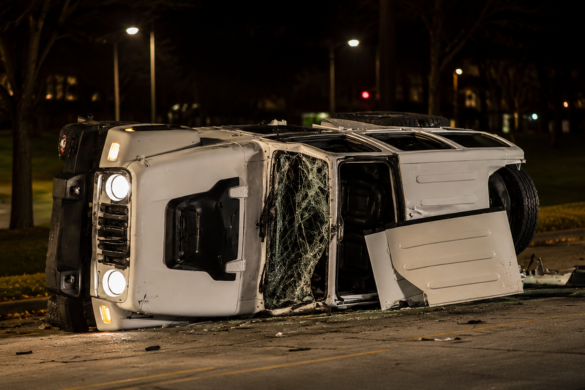
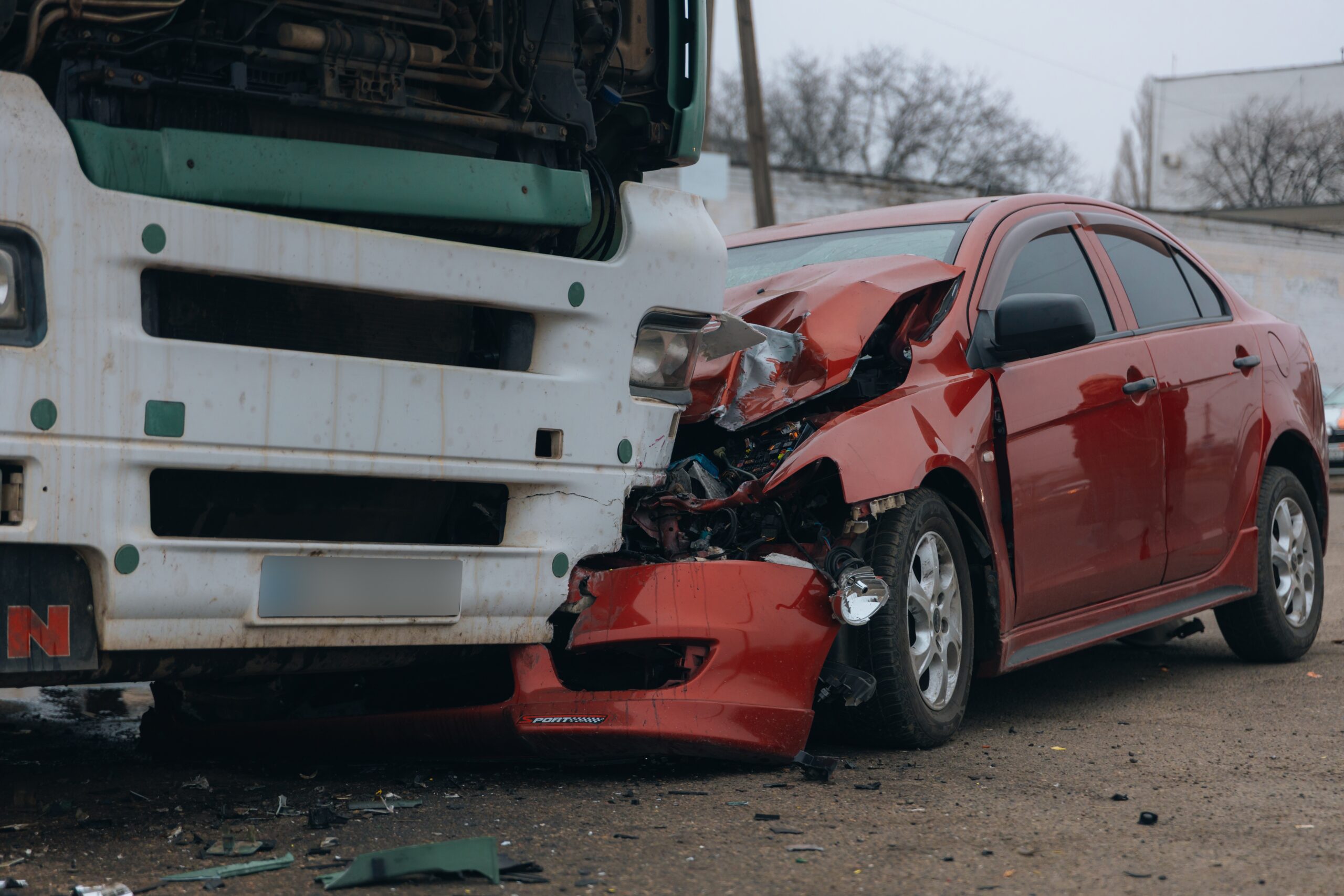
There’s no single timeline for an Indiana truck accident claim. Some claims resolve within several months after treatment ends, while cases involving serious injuries, disputed fault, multiple companies, or a lawsuit can take a year or more. The timeline is shaped by your medical recovery, how quickly evidence is gathered, how insurers respond, and whether litigation is needed. Throughout all of it, Indiana’s filing deadlines keep running.
At Schafer & Schafer, our family-owned firm represents people injured in truck crashes, and families who have lost loved ones, throughout Northwest Indiana. We move quickly to protect evidence and keep each case on track toward a fair resolution.
Contact Schafer & Schafer at (219) 947-1911 for a free consultation.
How Long an Indiana Truck Accident Claim May Take
Most Indiana truck accident claims move through the same general stages: immediate medical care and evidence preservation, an investigation into the driver and trucking company, a period of treatment until injuries can be valued, a demand and negotiation with insurers, and, if needed, a lawsuit. How long each stage lasts depends on the facts.
In Indiana, most personal injury lawsuits must be filed within two years of the crash under the state’s limitation-of-actions provisions, and wrongful death claims under the Indiana wrongful death statute generally must be filed within two years of the date of death. Many claims resolve before those deadlines, but the deadlines don’t pause while a claim is being negotiated.
The First Days: Medical Care and Evidence Preservation
The first days after a truck crash often have the biggest effect on the strength of a claim. Your health comes first, and prompt medical care creates a record linking your injuries to the crash. At the same time, important evidence can disappear quickly. Key evidence includes:
- Police crash reports: These document the scene, statements, and any citations.
- Photos and video: Scene photos, dashcam footage, and nearby surveillance video can show how the crash happened.
- Witness information: Independent witnesses can confirm speed, lane changes, and signals.
- Electronic logging device data: ELD records show the driver’s hours and whether federal limits were followed.
- Engine control module data: The truck’s computer can record speed and braking before impact.
- Maintenance and inspection records: These show whether brakes, tires, and other equipment were properly maintained.
- Dispatch and communication records: These can reveal delivery pressure or driver distraction.
Federal rules generally require trucking companies to keep hours-of-service records for six months, but video and engine data can be overwritten much sooner. A preservation letter sent promptly to the trucking company and its insurer helps protect this evidence.
Investigating the Driver, Carrier, and Other Parties
Truck crashes in Northwest Indiana often involve more than one responsible party. Investigators look at the driver’s conduct, such as speeding, distraction, impairment, or fatigue.
Under federal hours-of-service rules, most property-carrying drivers can drive no more than 11 hours after 10 consecutive hours off duty, and violations can point to fatigue. The trucking company may be responsible for its driver’s conduct and for its own hiring, training, and maintenance practices.
Other parties, such as a cargo loader, maintenance contractor, or parts manufacturer, may also share responsibility. Crashes on busy Northwest Indiana routes like I-80/94, I-65, and the Indiana Toll Road often involve interstate carriers with complex corporate and insurance structures.
Factors That Can Speed a Claim Up
Some claims move more quickly than others. A claim may resolve sooner when there is:
- Clear fault: Liability is well documented by reports, video, or witnesses.
- Shorter treatment: Injuries are less severe and medical care ends sooner.
- One defendant and one policy: A single responsible party and insurance policy simplify negotiations.
- A responsive insurer: The insurer reviews records and responds to demands promptly.
- Organized records: Complete medical records and early evidence preservation help avoid delays later.
Factors That Often Make a Claim Take Longer
Other factors commonly extend the timeline, including:
- Serious injuries: Surgery or long-term treatment takes longer to value.
- Fault disputes: Indiana’s comparative fault rule can bar recovery if an injured person is found more than 50% at fault, so insurers often contest fault.
- Multiple defendants and policies: Several companies and layered insurance coverage add complexity.
- Expert analysis: Accident reconstruction or medical experts may be needed.
- Government or wrongful death claims: These involve additional procedures and requirements.
- Litigation: A lawsuit and the court’s schedule can add significant time.
Deadlines Continue While Negotiations Are Ongoing
Talking with an insurance company doesn’t stop the clock. The two-year deadlines for personal injury and wrongful death claims continue to run during negotiations. Claims against government entities, such as a crash involving a state or local government truck, require a written tort claim notice within a much shorter period, often within months of the crash. Because the exact deadline depends on the type of claim and the defendant, it should be confirmed with an attorney early.
When Injuries Can Be Valued Responsibly
A claim generally can’t be valued responsibly until your medical condition has stabilized and your doctors can describe your long-term outlook. Settling too early can mean accepting an amount that doesn’t cover future treatment or lost earning capacity.
Valuation considers two kinds of losses. Documented economic losses include medical bills, future treatment costs, lost wages, reduced earning capacity, and property damage, all supported by records. Non-economic losses, such as pain and suffering, emotional distress, and loss of enjoyment of life, are more fact-specific and depend on how the injuries affect your daily life. There’s no formula or fixed multiplier for these losses, and every case depends on its facts.
Demand and Insurance Negotiations
Once injuries can be valued, your attorney typically prepares a demand package presenting the evidence of fault, medical records, bills, and documentation of future losses. The trucking company’s insurer then evaluates the claim and responds, often with a lower offer or a dispute about fault or damages.
Commercial trucks often carry higher insurance limits than passenger vehicles. Federal rules generally require interstate carriers of general freight to carry at least $750,000 in liability coverage, and many carry more, along with excess or umbrella policies. However, available coverage depends on the specific policies and the carrier’s operation, so it can’t be assumed. Negotiations may take several rounds and sometimes include mediation.
What Changes After a Lawsuit Is Filed
If negotiations don’t produce a fair offer, filing a lawsuit moves the case into the court system. The general sequence looks like this:
- Filing and service: Your attorney files the complaint and serves the defendants, who then respond.
- Discovery: Both sides exchange documents, answer written questions, and take depositions of drivers, company representatives, and witnesses.
- Expert work: Experts in accident reconstruction, trucking safety, medicine, and economics may prepare reports.
- Motions: Either side may ask the court to rule on legal issues before trial.
- Mediation or settlement talks: Many cases settle during litigation, often after key depositions or expert reports.
- Trial: If the case doesn’t settle, a judge or jury decides fault and damages.
You decide whether to accept a settlement offer, with your attorney’s advice, while the court controls the schedule. Not every case follows the same path, and many resolve well before trial.
How Schafer & Schafer Can Help
Schafer & Schafer is a family-owned Northwest Indiana firm founded by attorneys Timothy and Francis Schafer and joined by Timothy Schafer II, Todd Schafer, and Lauren Schafer. With more than 100 years of combined experience and a practice devoted exclusively to personal injury and wrongful death cases, we send preservation letters early, investigate trucking companies and drivers, and work with experts to build claims that reflect the full impact of a crash. We also represent people hurt in car accidents involving commercial vehicles.
Our family works with your family to manage deadlines, insurers, and the legal process so you can focus on recovery. Consultations are free, and you don’t pay unless we recover for you. No outcome or timeline can be guaranteed, but acting early helps protect your options.
Contact Schafer & Schafer at (219) 947-1911 for a free consultation.
Frequently Asked Questions
What is the most important rule to know about Indiana truck accident claim timeline?
The filing deadline. Most Indiana personal injury lawsuits must be filed within two years of the crash, and wrongful death claims generally within two years of the death. Negotiations don’t pause these deadlines, and claims against government entities have much shorter notice requirements.
What evidence or documents should I preserve?
Keep the police report number, photos, witness contact information, medical records and bills, and proof of lost wages. Ask an attorney to send a preservation letter to the trucking company for logs, engine data, video, and maintenance records, which can be lost quickly.
What deadline or next step should I verify first?
Confirm whether a government vehicle or entity was involved, since tort claim notice deadlines can come much sooner than two years. Then confirm the two-year filing deadline for your claim and make sure evidence preservation steps are underway.